Hyundai Oil Consumption Recall: Expert Service & Support at Pacifico Hyundai

Hyundai oil consumption concerns can lead to serious engine issues, but not every vehicle with oil loss is covered by the same recall, warranty extension, or class action benefit. The most important first step is to verify your VIN, document your oil level, and schedule an official inspection before engine damage becomes worse.

At Pacifico Hyundai, we are committed to educating our customers about the Hyundai oil consumption recall and the issues that can arise from excessive engine oil use. We understand how frustrating and concerning oil burning and related engine problems can be, and our goal is to provide clear, helpful information so you know what to look for and how to address it.

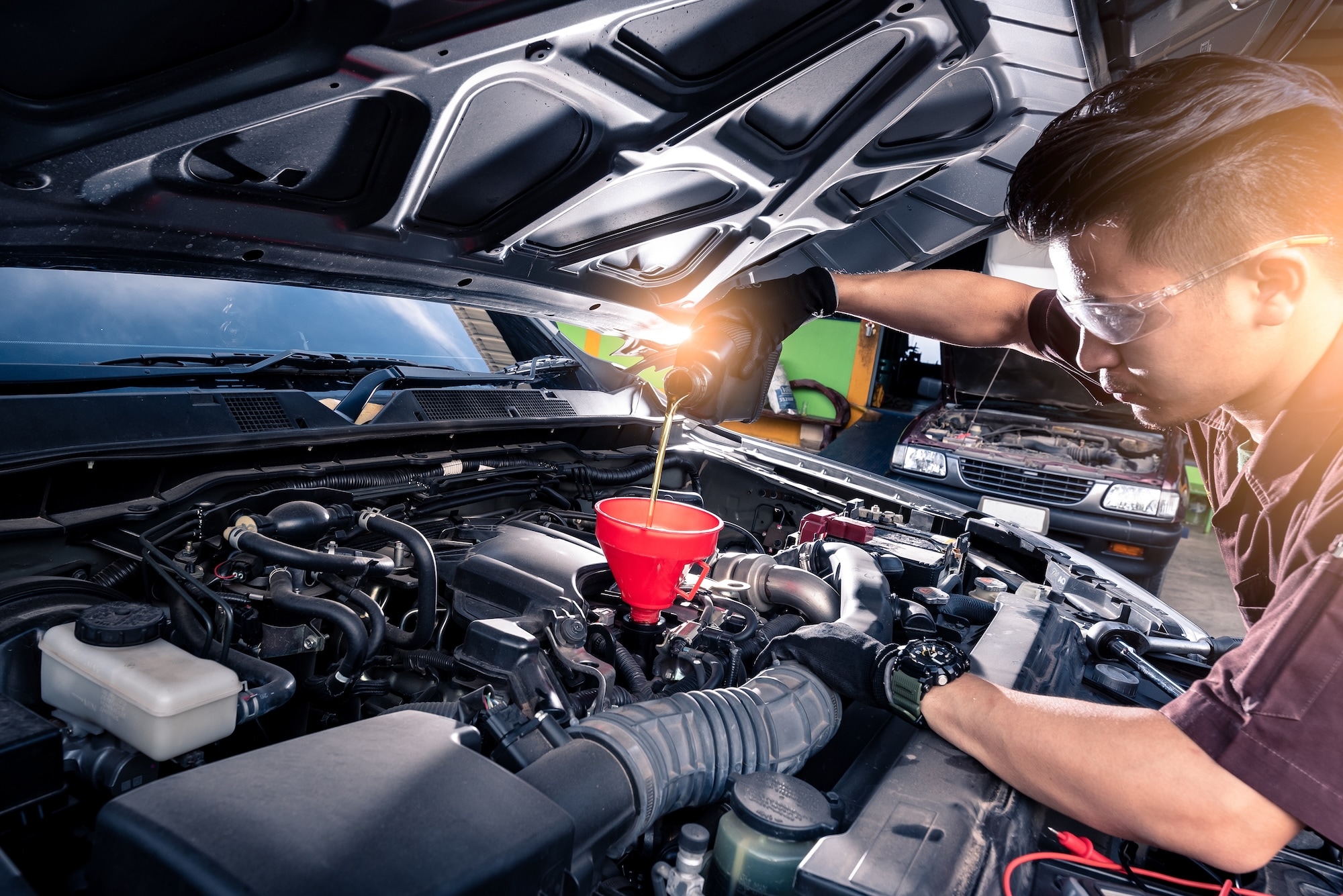
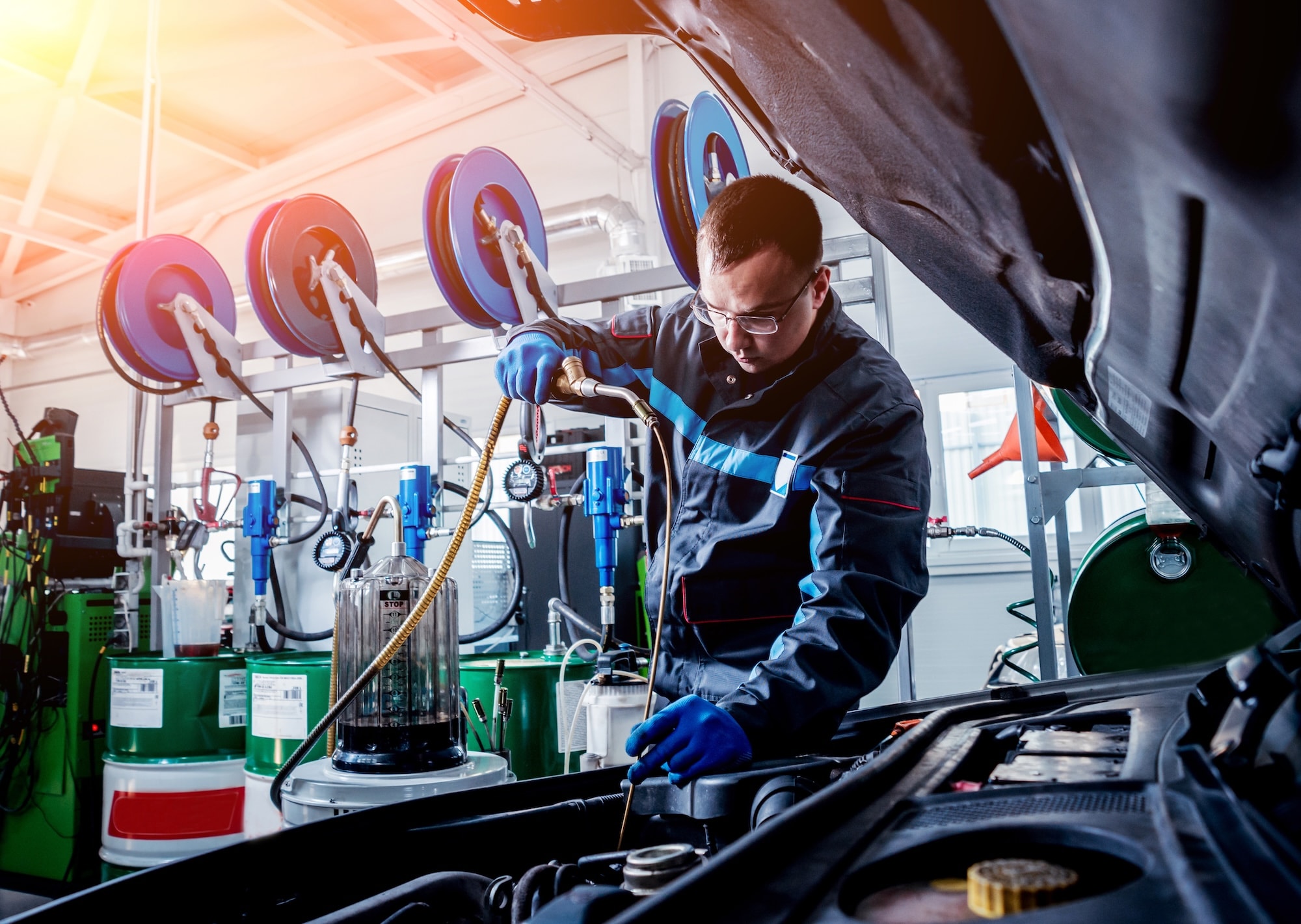
More importantly, as a full-service Hyundai dealership, Pacifico Hyundai has a dedicated service department ready to assist you with any oil consumption concerns. Our expert technicians are trained to perform thorough inspections, including oil consumption tests, compression tests, and cleaning procedures to address carbon deposits and piston ring issues. We use genuine Hyundai parts and follow manufacturer-recommended repair protocols to ensure your vehicle receives the best care possible.

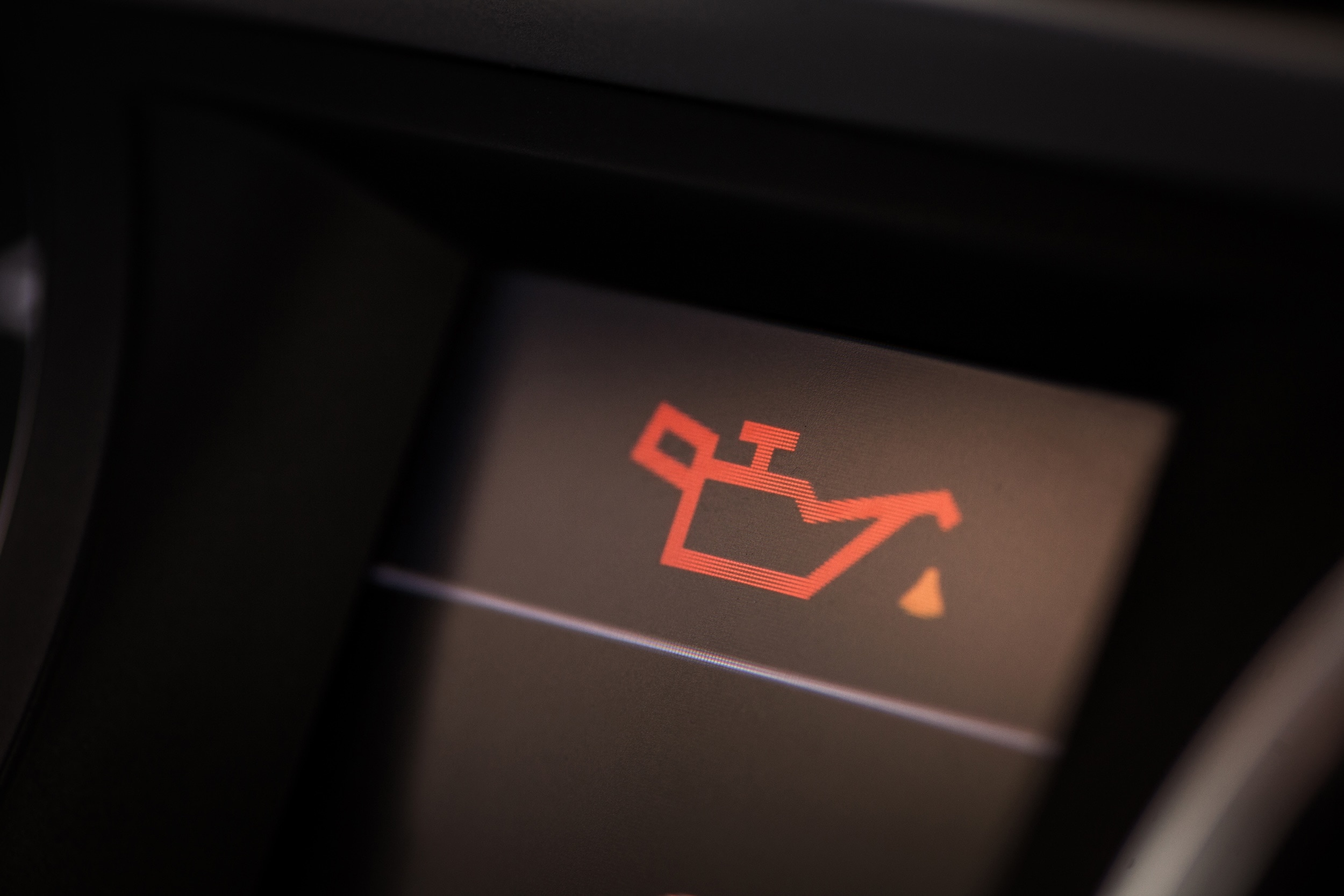
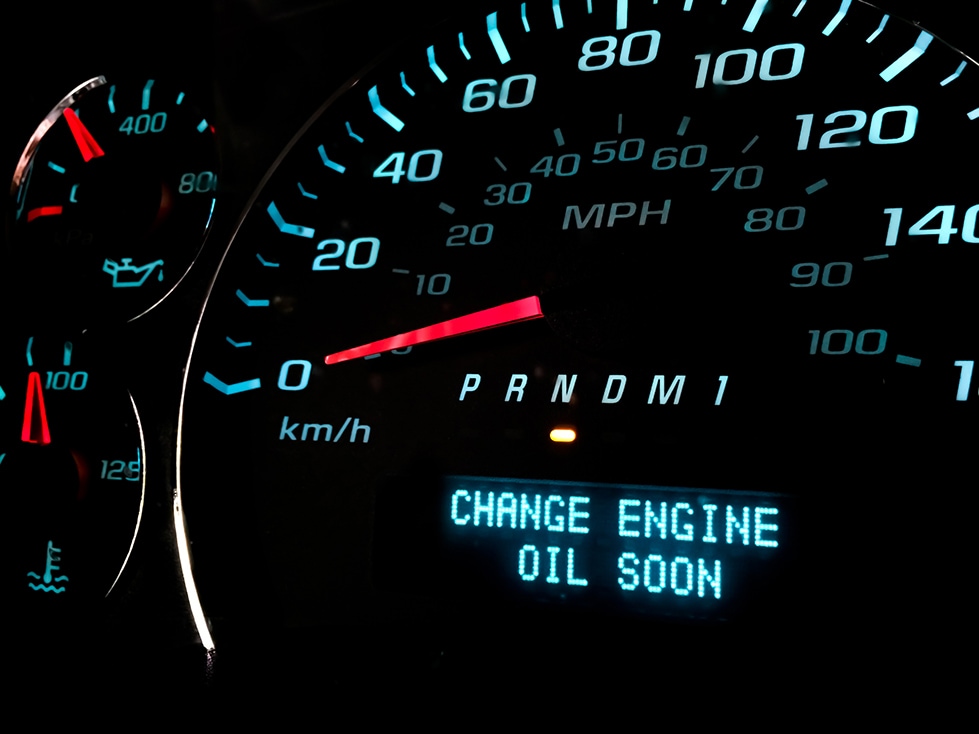
If you notice symptoms like frequent oil top-offs, blue exhaust smoke, an illuminated oil light or check engine light, or decreased fuel economy, don't hesitate to bring your vehicle to Pacifico Hyundai. We will help diagnose the problem accurately and provide solutions covered under Hyundai's recall or extended warranty programs when applicable.

We encourage all Hyundai owners to maintain detailed records of oil levels and service history. This documentation can be essential for warranty claims and helps us deliver the most effective service. Whether you own a new car or a used Hyundai, our service department is here to support you and keep your vehicle running smoothly.

Contact Pacifico Hyundai today to learn more about the oil consumption recall or to schedule a service appointment. We're here to help you protect your investment and drive with confidence.

Finally, Clear Answers About Hyundai Oil Consumption Issues Built for Concerned Owners

If your Hyundai is burning oil, requiring frequent top-offs, showing blue smoke, or triggering an oil light or engine light, you deserve a straight answer. Excessive oil consumption can be more than an inconvenience; it can point to worn piston rings, oil control rings, carbon buildup, valve guides, bearing wear, or other engine issues that may eventually cause engine failure.

Many vehicle owners are unsure whether they are dealing with normal oil use, oil leaks, or an oil consumption problem tied to a recall or extended warranty. That confusion is understandable. Hyundai engine coverage has involved recalls, service campaigns, technical service bulletins, class action settlements, and different rules for different models, years, and gdi engines.

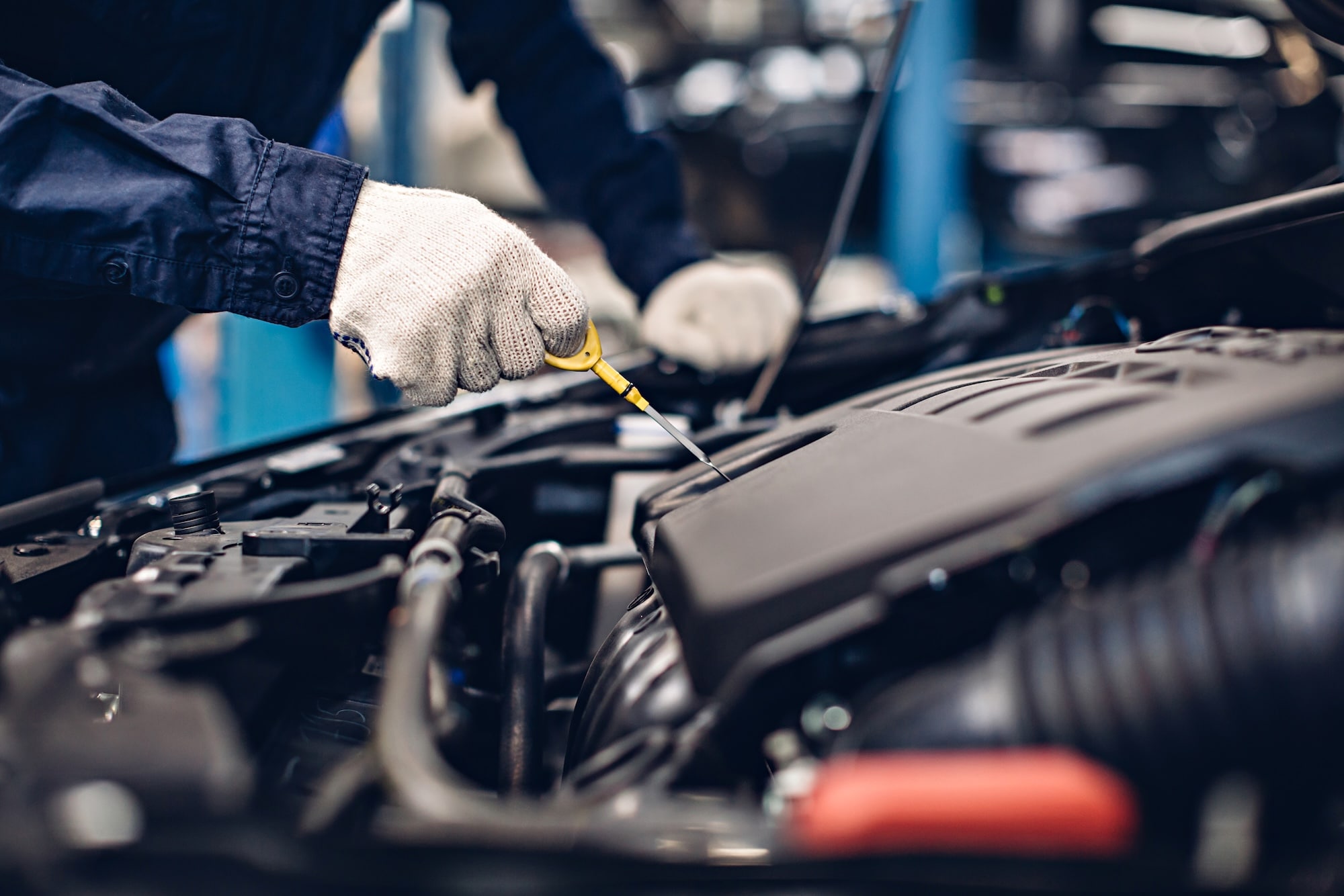
Pacifico Hyundai helps remove that uncertainty. Our service department can check your VIN, inspect your engine oil level, review your maintenance history, perform an oil consumption test, and explain whether your vehicle may qualify for warranty coverage, recall service, or another repair process.

Why Understanding This Recall Matters

Understanding the Hyundai oil consumption recall matters because the right information can help you avoid paying for repairs that may be covered, catch engine damage early, and preserve eligibility for extended warranty benefits.


 

Here's why it matters for affected owners:

  • It protects your investment - Some covered Hyundai vehicles may qualify for free inspection, software updates, short block repair, or engine replacement when recall or settlement requirements are met.
  • It helps identify warning symptoms - Blue smoke, repeated adding oil, knocking, reduced power, poor fuel economy, oil light warnings, check engine light warnings, and stalling can all point to deeper engine issues.
  • It saves money when coverage applies - Earlier Theta II recall coverage extended certain short block warranties to 10 years / 120,000 miles, while the 2023 class action settlement expanded eligible engine damage coverage to 15 years / 150,000 miles.
  • It makes documentation easier - Keeping records of oil changes, fresh oil top-offs, mileage, oil level checks, service visits, and warning lights can make a major difference if Hyundai denied coverage before or asks for proof.
  • It reduces fear of sudden engine failure - Connecting rod bearing wear can progress to knocking, seizure, stalling, and in severe cases fire risk, but inspection and repair programs are designed to catch qualifying problems before catastrophic failure.

The key is knowing the difference between general oil burning and a covered defect. A car owner may notice oil consumption at the rate of one quart per 1,000 miles, but that common threshold is not always the official legal standard for every recall or settlement claim.

How the Hyundai Oil Consumption Recall Works

The recall and warranty process is structured, but it depends on your exact vehicle, engine, VIN, symptoms, service history, and software update status. Pacifico Hyundai can walk you through each step and help determine which program may apply.

The first step is identifying whether your Hyundai vehicle is included in a recall, service campaign, or class action settlement. Coverage may involve Hyundai Sonata, Hyundai Santa Fe, Santa Fe Hybrid, Veloster, Tucson, Elantra, and other Hyundai or Kia models depending on the engine family and model year.

Important campaigns and programs include:

  • The 2015 Theta II recall, which covered approximately 470,000 model year 2011–2012 Hyundai Sonata vehicles with 2.0L and 2.4L Theta II GDI engines.
  • SC147, a technical service bulletin involving Theta II engine inspection and possible replacement procedures.
  • Recall Campaign 198 / NHTSA #20V746000, announced in December 2020, covering approximately 128,948 U.S. vehicles, including certain 2012 Santa Fe vehicles with Theta II 2.4L MPI engines, 2011–2013 Sonata Hybrid HEV vehicles, 2016 Sonata Hybrid vehicles with Nu 2.0L GDI engines, and 2015–2016 Veloster vehicles with Gamma 1.6L GDI engines.
  • The 2023 class action settlement, which added an additional 2.1 million vehicles and covered certain engine damage or malfunction caused by connecting rod bearing wear.

Testing may include an oil consumption test over a defined mileage period, inspection for abnormal knocking, review of oil changes, a compression test, bearing-related diagnostics, and verification of the Knock Sensor Detection System, also known as KSDS.

Once your vehicle is identified, the dealer follows Hyundai repair protocols. These may include checking oil level, confirming proper engine temperature, listening for abnormal noise, running scan diagnostics, inspecting for oil leaks, reviewing the exhaust system for blue smoke, and evaluating whether carbon deposits, piston rings, oil control rings, or intake valves are contributing to oil loss.

Many owners describe excessive oil consumption as more than one quart per 1,000 miles. That number is useful as a discussion starter, but Hyundai recall and settlement decisions often depend on specific findings such as bearing wear, engine knocking, KSDS detection, inspection results, or documented failure.

If the vehicle fails the applicable inspection, the repair may involve short block replacement or engine replacement. In some cases, related components such as spark plugs, dipsticks, or transferred engine parts may be addressed according to Hyundai’s official process. Where carbon buildup is suspected, technicians may recommend combustion chamber cleaning, piston soak procedures, throttle body service, or use of an approved cleaning kit to clean carbon deposits.

Warranty coverage depends on the program. The 2015 Theta II recall extended the short block warranty to 10 years / 120,000 miles for affected vehicles. The 2023 settlement extended eligible coverage to 15 years / 150,000 miles from original delivery or first use, whichever comes first, for engine damage or malfunction caused by connecting rod bearing wear.

For many settlement benefits, the KSDS update had to be installed by November 4, 2023. Both original and subsequent owners may qualify when eligibility requirements are met, but documentation matters. If you purchased a used car, records from the previous owner can help support your claim.

Follow-up is important because some owners report continued oil consumption after repair. If the exact same thing happens again-oil loss, blue smoke, warning lights, or repeated adding oil-return for another inspection and keep every service record.

No assumptions. No missed deadlines. Just a step-by-step process that gives affected vehicle owners the best chance at a covered fix.

What Makes This Recall Different

Most engine problems are treated as normal wear, poor maintenance, or isolated part failure. Hyundai oil consumption issues are different because several recalls, lawsuits, and settlements have alleged or identified broader problems across engine families and model years.

This issue has involved more than one engine type. While the Theta II GDI engine is one of the most recognized names in Hyundai oil discussions, later concerns and settlements also referenced Nu, Gamma, Lambda, and Kappa engine families. Some Kia models were included in broader class action activity as well.

The recall history also makes this situation different:

  • It spans multiple model years - Key affected years include 2011-2016 for several Hyundai vehicles, though coverage can extend beyond those years in certain settlement contexts.
  • It affects multiple Hyundai vehicle lines - Hyundai Sonata, Hyundai Santa Fe, Veloster, Tucson, Elantra, and hybrid models may appear in different campaigns or owner complaints.
  • It addresses serious safety-related risks - Some campaigns focus on connecting rod bearing wear, engine knocking, stalling, seizure, and possible fire risk, not simply the inconvenience of burning oil.
  • It includes extended warranty coverage - Coverage may go far beyond a standard new vehicle warranty when recall or class action criteria are satisfied.
  • It requires official process and proof - A recall is not the same as a settlement. Recalls are mandatory safety remedies, while class action benefits often require VIN eligibility, documentation, a claim process, and proof of qualifying damage.

That distinction matters. A Hyundai owner may say, "My engine uses oil, so it must be recalled," but recall coverage is tied to specific vehicles, defects, and procedures. Another owner may think, "My car is high mileage, so nothing can be done," yet an extended warranty may still apply if the vehicle meets the rules.

Evidence of the Oil Consumption Problem

The evidence behind Hyundai oil consumption concerns comes from official recalls, technical service bulletins, owner complaints, class action filings, and repair histories. It is not limited to one online forum thread with more replies, a single discussion starter, or a one-off complaint.

Known evidence includes:

  • 2015 Theta II recall activity - Hyundai recalled approximately 470,000 model year 2011-2012 Sonata vehicles with 2.0L and 2.4L Theta II GDI engines because metallic debris left from machining around crankshafts could block oil passages, restrict oil flow to bearings, and lead to bearing failure, knocking, stalling, and fire risk.
  • Recall Campaign 198 - This campaign covered approximately 128,948 U.S. vehicles and required inspection, KSDS installation, and engine replacement when bearing damage was found.
  • SC147 inspection procedures - These procedures involved official testing, oil level verification, temperature requirements, noise testing, and possible replacement of engine assemblies when inspection results failed.
  • April 2022 litigation and later class action activity - Lawsuits filed or publicized in April 2022 alleged Hyundai oil consumption defects involving oil burning, engine damage, and manufacturer knowledge of the problem. The broader 2023 class action settlement later added 2.1 million vehicles and extended qualifying warranty coverage to 15 years / 150,000 miles.
  • Owner-reported symptoms - Vehicle owners commonly report blue smoke, frequent oil top-offs, check engine light warnings, oil pressure warnings, reduced power, misfires, knocking noises, poor fuel economy, catalytic converter stress, and stalling.
  • Repair outcome concerns - Some owners report that short block repair or engine replacement resolved the issue, while others report ongoing oil consumption due to piston rings, carbon buildup, PCV-related issues, cylinder walls, valve guides, or combustion chamber deposits.

Repair success rates are difficult to state with precision because official public data is limited. However, owner reports show a mixed pattern: some affected vehicle owners receive a covered engine replacement and stop adding oil, while others continue to experience oil loss after repair.

That is why Pacifico Hyundai focuses on proper testing rather than assumptions. A bottle of high mileage oil, aftermarket additive, or product such as Valvoline Restore may be discussed online, but those options are not a substitute for diagnosis under Hyundai's recall or warranty process.

Who Is Affected by This Recall

Affected owners are not defined by model name alone. Your VIN, engine, model year, prior updates, and inspection results determine whether your Hyundai qualifies.

Hyundai vehicles commonly associated with oil consumption issues, recalls, or settlement discussions include:

  • 2011-2014 Hyundai Sonata with 2.0L and 2.4L Theta II engines - Earlier official recall coverage focused heavily on 2011-2012 Sonata models with Theta II GDI engines, while later claims and owner reports expanded the discussion around additional Sonata years.
  • 2011-2016 Hyundai Elantra with affected engine configurations - Some Elantra owners have reported oil consumption issues, though eligibility depends on specific engine and settlement criteria.
  • 2013-2016 Hyundai Tucson and Santa Fe with GDI engines - Certain Tucson and Hyundai Santa Fe owners have reported oil burning and related engine issues, while a specific 2012 Santa Fe Theta II 2.4L MPI configuration was included in Campaign 198.
  • 2011-2013 Sonata Hybrid HEV and 2016 Sonata Hybrid - These hybrid models were specifically included in Campaign 198 where applicable.
  • 2015-2016 Hyundai Veloster with Gamma 1.6L GDI engines - These vehicles were included in Campaign 198 when they matched the VIN and campaign criteria.
  • Other Hyundai and Kia models under broader settlements - The 2023 class action settlement expanded beyond Theta II GDI engines to include certain additional engine families, but not every modern car with oil consumption is covered.

Just as important, some vehicles are not covered. A Hyundai may burn oil, have carbon deposits, or need a combustion chamber cleaning without qualifying for a recall engine replacement. A used car may qualify if the VIN and documentation support it, but missing service history, missing KSDS updates, salvage status, commercial use, or lack of proof can create problems.

If you are unsure, Pacifico Hyundai can help check your VIN and explain what applies to your specific vehicle.

Your Options as an Affected Owner

If you notice oil consumption, do not wait until the gas tank is full but the engine oil is dangerously low. Your options depend on eligibility, symptoms, mileage, service history, and whether the issue can be verified through official testing.

Warranty Repair - For Eligible Vehicles

For eligible vehicles, warranty repair may include free inspection, KSDS software update, short block replacement, engine replacement, or related repair steps required by Hyundai.

To improve your chance of approval, bring:

  • Oil change records showing dates, mileage, oil type, and whether fresh oil was added
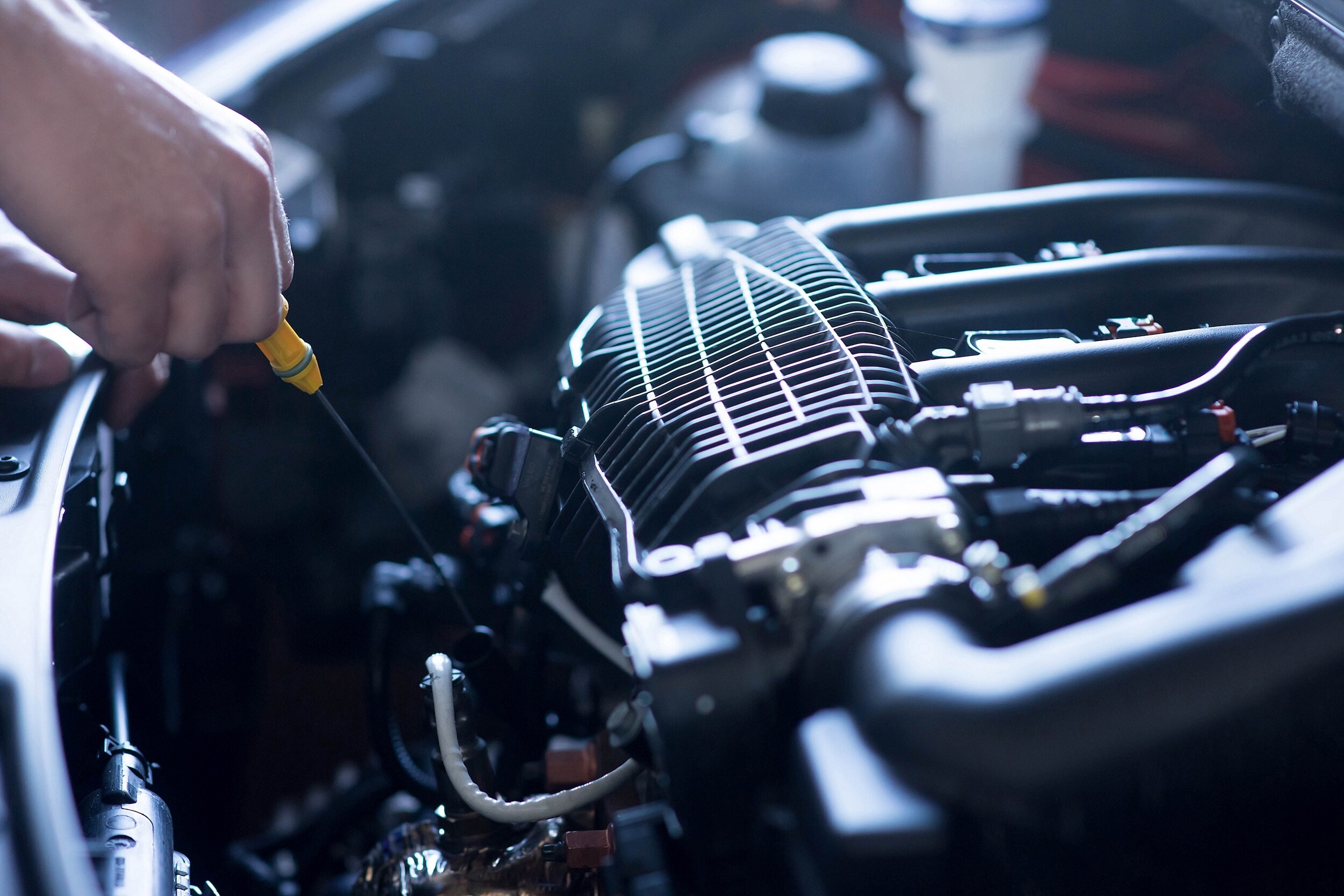
  • Photos or notes showing oil level before and after driving
  • Receipts for engine oil used between services
  • Records from Pacifico Hyundai or another Hyundai dealer
  • Warning light history, including oil light, engine light, or check engine light events
  • Photos or videos of blue smoke, knocking, or burning oil symptoms
  • Records from the previous owner if you bought a used car

A dealer may also perform an oil consumption test, compression test, bearing inspection, or diagnostic scan. If Hyundai denied coverage previously, updated documentation may still be useful, especially if symptoms have progressed.

Frequently Asked Questions

You may have excessive oil consumption if you need to keep adding oil between oil changes, notice oil consumption over a short mileage interval, see blue smoke from the exhaust system, smell burning oil, experience reduced fuel economy, or see the oil light or check engine light.

Many owners use one quart per 1,000 miles as a practical warning sign. That is a common owner benchmark, not a universal rule for every Hyundai recall or class action claim. A dealer oil consumption test is the best way to document the rate under an official process.

Hyundai may pay for repairs outside the original factory warranty if your vehicle qualifies under a recall, extended warranty, service campaign, or class action settlement. Some Theta II-related coverage extended to 10 years / 120,000 miles, and the 2023 settlement extended qualifying coverage to 15 years / 150,000 miles for certain engine damage caused by connecting rod bearing wear.

Coverage limitations still apply. Your VIN, engine type, KSDS update status, ownership records, oil changes, maintenance documentation, and inspection results can all affect approval.

If the repair does not fix the oil consumption problem, schedule a follow-up inspection and continue documenting oil loss. Ongoing oil burning may involve piston rings, oil control rings, carbon deposits, valve guides, cylinder walls, catalytic converter damage, intake valves, or other engine components not fully resolved by the first repair.

You may still have options through continued warranty coverage, Hyundai customer support, additional dealer diagnostics, class action benefits, or lemon law remedies when repeated repairs fail.

Take Action on Your Hyundai Oil Consumption Issue

If your Hyundai is using oil faster than expected, take action before engine failure occurs. The sooner you document the problem, the easier it is to determine whether your vehicle qualifies for recall service, extended warranty repair, or another solution.

Start with these steps:

  • Check your oil level regularly and record the mileage each time.
  • Save receipts for all oil changes, fresh oil, high mileage oil, and any added engine oil.
  • Write down when you notice oil consumption, blue smoke, knocking, fuel economy changes, or warning lights.
  • Schedule an inspection with the Pacifico Hyundai service department.
  • Ask whether your VIN is connected to SC147, Campaign 198, another Hyundai recall, or a class action settlement.
  • Confirm whether the KSDS update has been installed.
  • Request documentation of every oil consumption test, compression test, diagnostic result, and repair recommendation.
  • Contact Hyundai customer service if you need recall or settlement confirmation.

Pacifico Hyundai is here to help Hyundai owners protect their vehicles, understand warranty coverage, and move through the process with confidence. Schedule an appointment here.